BUILDING CLIMATE-RESILIENT SKILLS FOR TANZANIA
June 28, 2026

Striving for world-class excellence in Technical and Vocational Education and Training

BUILDING CLIMATE-RESILIENT SKILLS FOR TANZANIA
Climate change remains one of the greatest challenges affecting Tanzania’s agricultural sector, threatening food security, livelihoods, and economic growth. As agriculture continues to be a cornerstone of the country’s economy, there is an increasing need for a workforce equipped with modern knowledge and practical skills to address climate-related challenges. Recognizing this need, the National Council for Technical and Vocational Education and Training (NACTVET) is implementing the Climate Change Resilience for Tanzania’s Agricultural VET Ecosystem (CREATE) Project, a European Union-funded Erasmus+ initiative aimed at strengthening climate resilience through Technical and Vocational Education and Training. The project is implemented through a consortium of institutions from Spain, Italy, Belgium, and Tanzania. The consortium comprises Fundación Diocesana de Enseñanza Santos Mártires de Córdoba (Spain) as the coordinating institution, IAL Innovazione Apprendimento Lavoro Friuli Venezia Giulia (Italy), Institut de Haute Formation aux Politiques Communautaires (Belgium), Dabaga Institute of Agriculture, and Kilacha Agriculture and Livestock Training Centre.
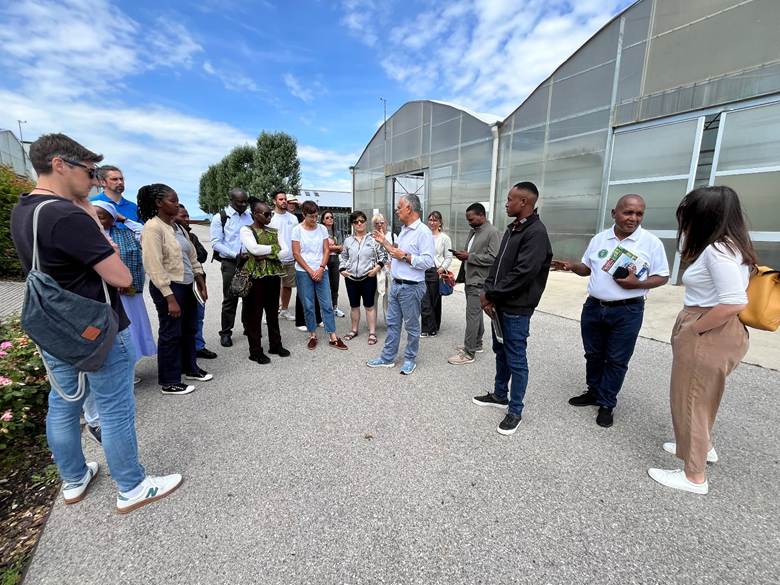
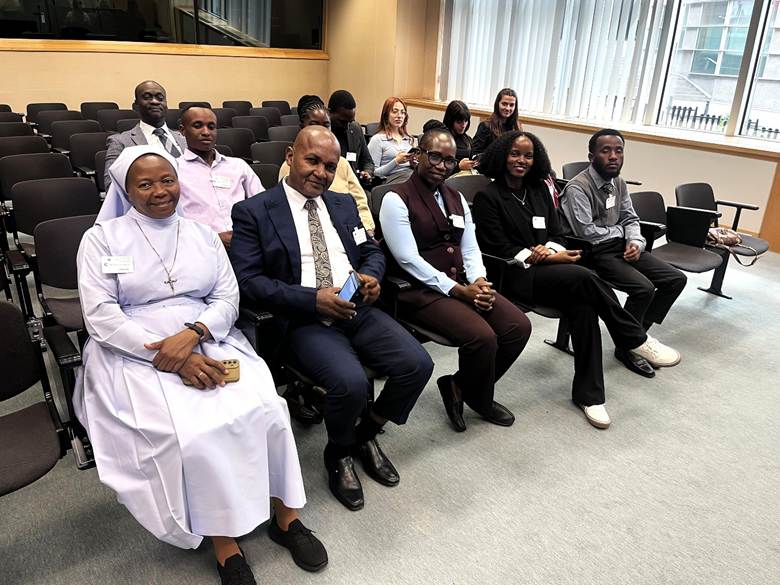
In June 2026, a delegation comprising representatives from NACTVET, Dabaga Institute of Agriculture, and Kilacha Agriculture and Livestock Training Centre travelled to Italy and Belgium to participate in an intensive capacity-building programme under the European Union-funded Erasmus+ CREATE Project. While the journey covered thousands of kilometres, its true purpose was to bring back knowledge, innovation, and strategic partnerships that will strengthen Tanzania’s agricultural TVET sector for years to come. The programme brought together project partners from Tanzania, Spain, Italy, and Belgium to review project achievements, strengthen institutional capacity, exchange knowledge and best practices, and discuss strategies for sustainability and future expansion of project interventions.
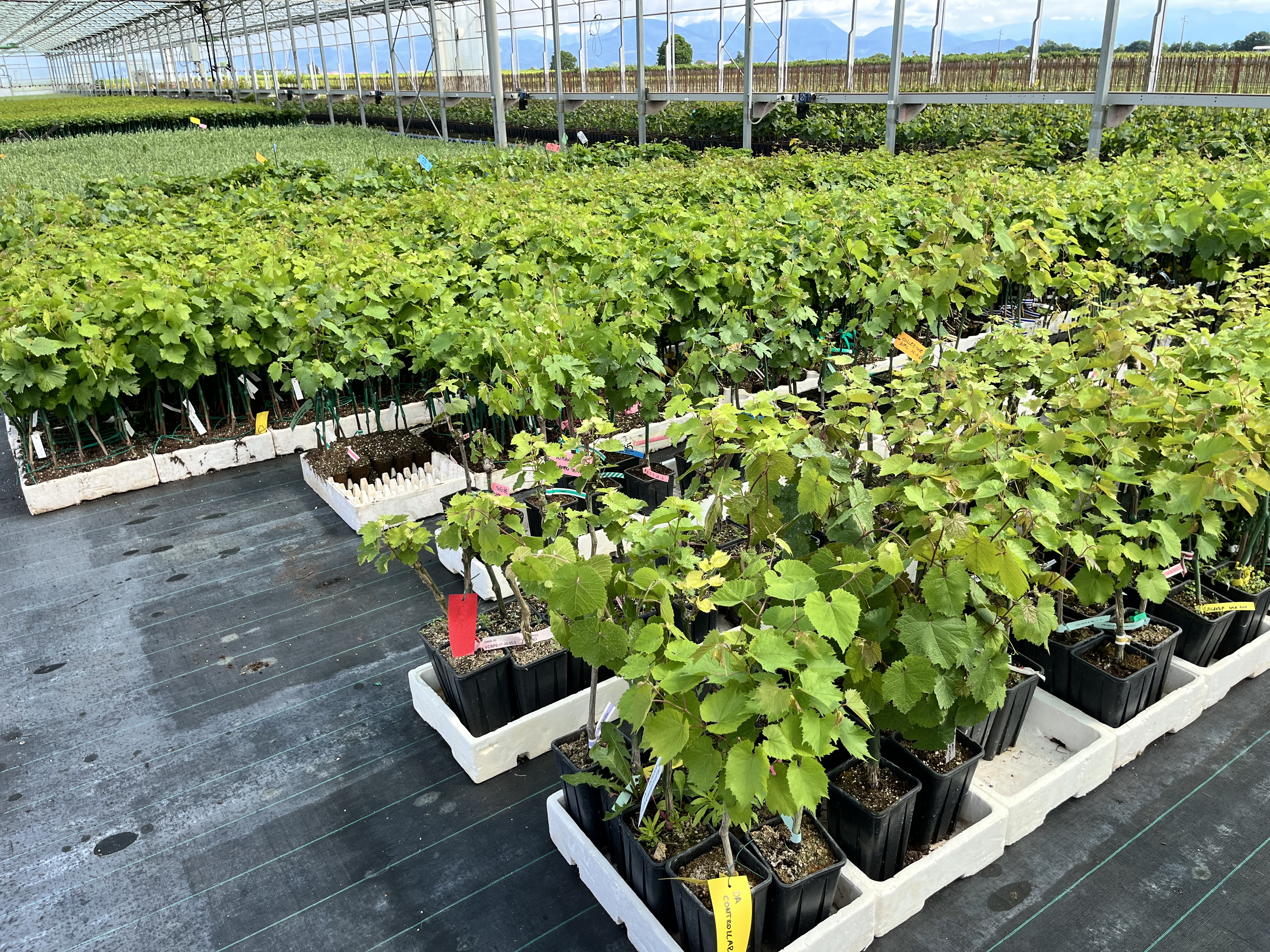
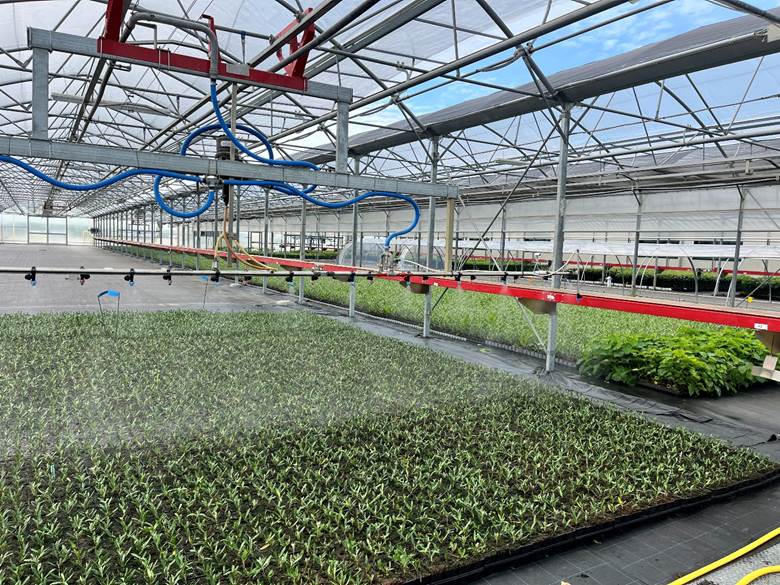
The programme began in Pordenone, Italy, where participants visited leading agricultural research and training institutions. At the VCR Research Centre, the delegation witnessed how scientific research is advancing climate-resilient agriculture through improved crop varieties, sustainable farming practices, pest management strategies, and innovative agricultural technologies. The visit demonstrated the critical role that research institutions play in supporting food security, agricultural productivity, and promoting environmental sustainability. Another valuable lesson came from observing how environmental education is integrated into learning from an early age. At IIS Il Tagliamento, learners actively participated in nature-based learning through educational farms, biodiversity conservation projects, and hands-on environmental activities. This approach underscored the importance of nurturing environmental awareness and climate-smart practices from childhood as a foundation for sustainable development.
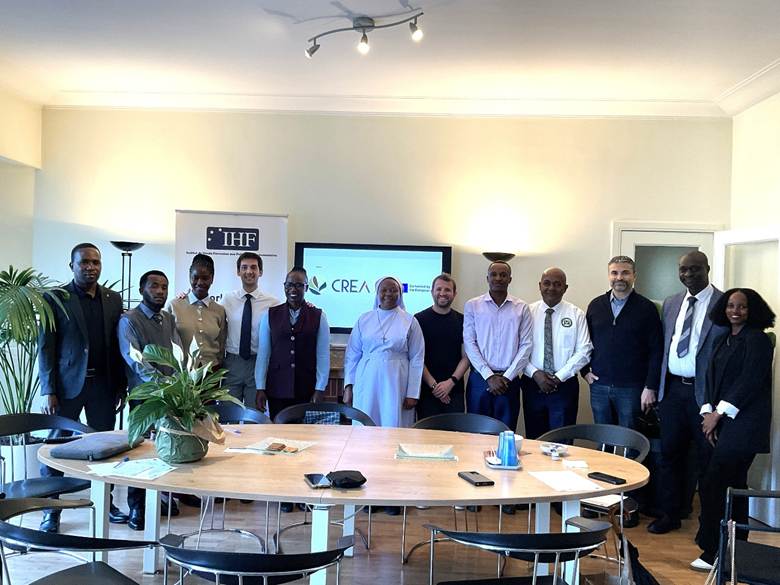
The second phase of the programme took place in Brussels, Belgium, where project partners reviewed implementation progress, discussed sustainability strategies, and explored opportunities for future collaboration. A key highlight was the presentation of the CREATE Learning Management System (LMS), a digital platform hosting five agricultural training modules in both English and Kiswahili. Designed to serve not only participating institutions but also teachers, learners, farmers, and agricultural stakeholders across Tanzania, the LMS represents a significant step towards expanding access to quality agricultural education through digital learning
For NACTVET, the CREATE Project is more than an international collaboration; it is an opportunity to enhance the quality, relevance, and sustainability of agricultural TVET in Tanzania. As the national regulator and quality assurance authority for TVET, NACTVET plays a strategic role in ensuring that project outputs align with national qualifications frameworks, quality standards, and labour market demands. Through its involvement, the Council is facilitating the adoption and scaling up successful innovations across the country.
The project also supports the digital transformation agenda within TVET. By promoting online learning platforms, modern teaching methodologies, and climate-smart agricultural content, CREATE is helping institutions adapt to changing educational needs while increasing access to learning opportunities for communities and agricultural practitioners.
For TVET institutions, the benefits are equally significant. Participating colleges gain exposure to international best practices in curriculum development, quality assurance, stakeholder engagement, and climate-smart agriculture. Instructors enhance their pedagogical competences, learners gain access to modern training resources, and institutions strengthen their capacity to produce graduates equipped with the practical competencies required by today’s agricultural sector.
Beyond the classroom, the project fosters stronger collaboration between training institutions, industry, government agencies, and development partners. These partnerships help ensure that training programmes remain responsive to labour market demands while promoting innovation, entrepreneurship, and sustainable agricultural development.The programme also created new opportunities for future international collaborations. Discussions with the Embassy of Tanzania in Brussels highlighted possibilities for expanding participation in Erasmus+ initiatives, academic mobility programmes, scholarships, and international research collaborations. Such opportunities have the potential to further strengthen Tanzania’s TVET sector through global partnerships and knowledge exchange.
As Tanzania strives to build a resilient agricultural sector capable of withstanding the impacts of climate change, projects such as CREATE demonstrate the transformative power of international cooperation, innovation, and skills development. The knowledge and experience gained through the capacity-building programme will help strengthen agricultural training, promote sustainable farming practices, enhance digital learning, and support the development of a future-ready workforce. For NACTVET and the wider TVET community, the CREATE Project is not simply a project—it is an investment in the future of Tanzania’s agriculture, its institutions, and its people. Through strengthened partnerships, improved training systems, and a shared commitment to sustainability, the project is helping to shape a new generation of skilled professionals capable of driving agricultural transformation and climate resilience across the country.

Funded by the European Union. Views and opinions expressed are however those of the author(s) only and do not necessarily reflect those of the European Union or the European Education and Culture Executive Agency (EACEA). Neither the European Union nor EACEA can be held responsible for them.
The National Council for Technical and Vocational Education and Training (NACTVET)