BUILDING CLIMATE-RESILIENT SKILLS FOR TANZANIA
June 30, 2026

Striving for world-class excellence in Technical and Vocational Education and Training

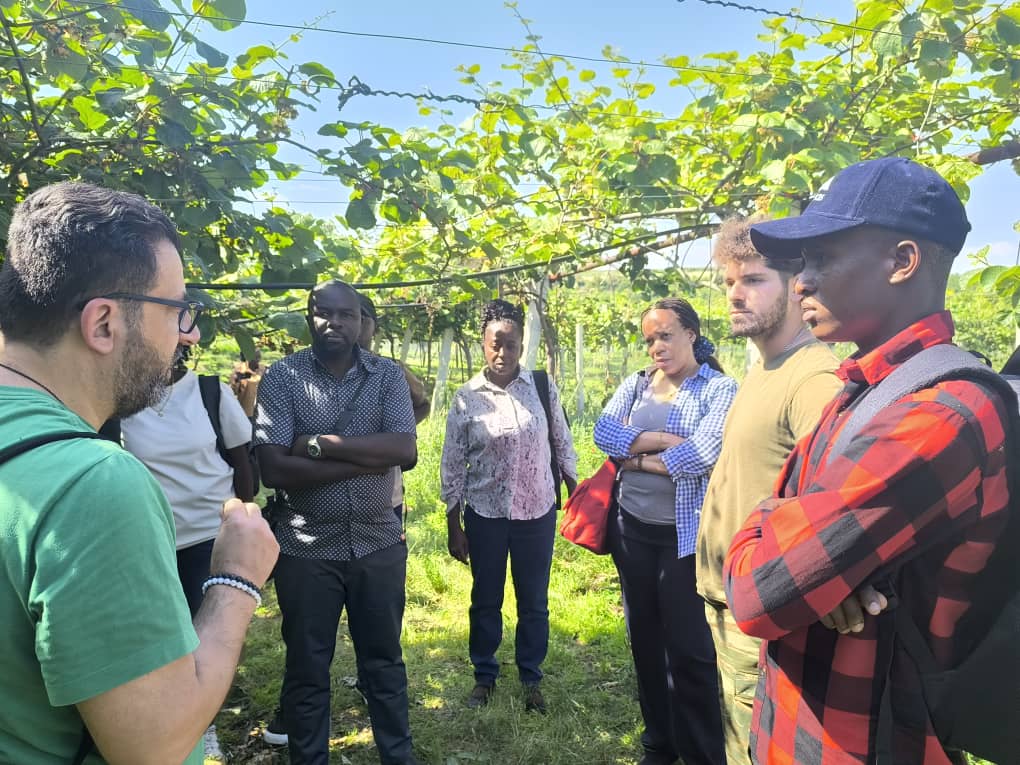
FROM GREECE TO TANZANIA: NACTVET BRINGS HOME CLIMATE-SMART TVET INNOVATIONS
The National Council for Technical and Vocational Education and Training (NACTVET) has strengthened its efforts to advance climate-smart agricultural education following its participation in a capacity-building programme held in Thessaloniki, Greece, under the Climate Smart Agriculture (CSA) Centres of Vocational Excellence (CoVE) Hubs Project.
The programme, held from 24 to 29 May 2026 at the American Farm School (AFS), brought together representatives from NACTVET and four agricultural TVET institutions in Tanzania to acquire knowledge, exchange experiences, and explore innovative approaches to vocational education that support climate-resilient agriculture and sustainable development. The CSA CoVE Hubs Project is funded by the European Union through the European Education and Culture Executive Agency (EACEA) and coordinated by the American Farm School (AFS), Greece, in collaboration with the Maastricht School of Management (MSM), Netherlands. In Tanzania, the project is implemented by NACTVET together with Kilimanjaro Agricultural Training Centre (KATC), Ministry of Agriculture Training Institute (MATI) Mlingano, Kilacha Agriculture and Livestock Training Centre (KALTC), and Mt. Maria Goretti Agriculture Training Institute.
The project seeks to establish Centres of Vocational Excellence that deliver high-quality, industry-responsive training while equipping learners with practical skills to address climate change challenges in the agricultural sector.
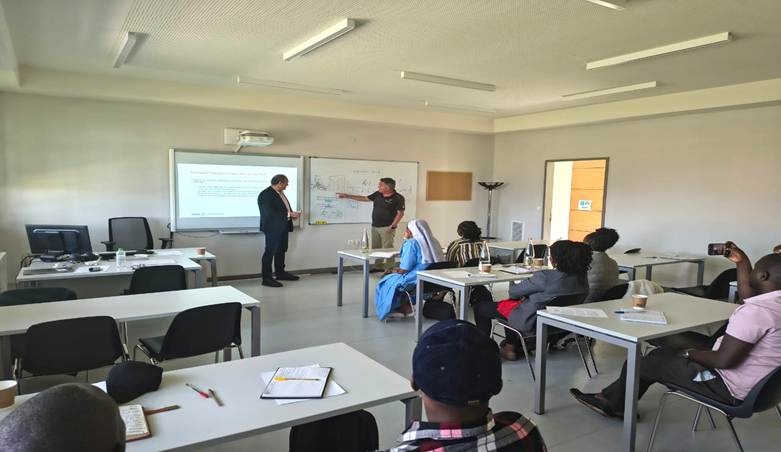
Throughout the programme, participants gained practical knowledge on the CoVE framework, stakeholder engagement, curriculum development, quality assurance systems, innovative teaching methodologies, blended learning, leadership, and the Triple Helix Model, which strengthens collaboration between academia, industry, and government.
The delegation also visited the American Farm School, Perrotis College, a smart horticulture (kiwi) farm, and the ERGO Planning, Consulting and Training Hub, where they observed how technology, research, entrepreneurship, and vocational education are integrated to promote sustainable agricultural production and innovation.The study visit marks an important milestone for NACTVET in its mandate to regulate and assure the quality of technical and vocational education and training in Tanzania. The knowledge and experience gained will enhance the Council's capacity to strengthen quality assurance systems, support curriculum development, promote competency-based education and training, and ensure that TVET programmes remain responsive to labour market demands and national development priorities. The experience will also support the integration of climate-smart agriculture into vocational training, equipping graduates with the knowledge and practical skills needed to build resilient agricultural systems.The benefits of the programme extend beyond the participating institutions. The knowledge, approaches, and best practices acquired during the visit are expected tostrengthern agricultural TVET across Tanzania by enhancing institutional capacity, modernising teaching and learning, promoting digital and blended learning, and fostering stronger collaboration among training institutions, industry, government, and farming communities. Such partnerships are essential for producing graduates with relevant skills who are capable of driving innovationand responding effectively to the challenges of climate change.
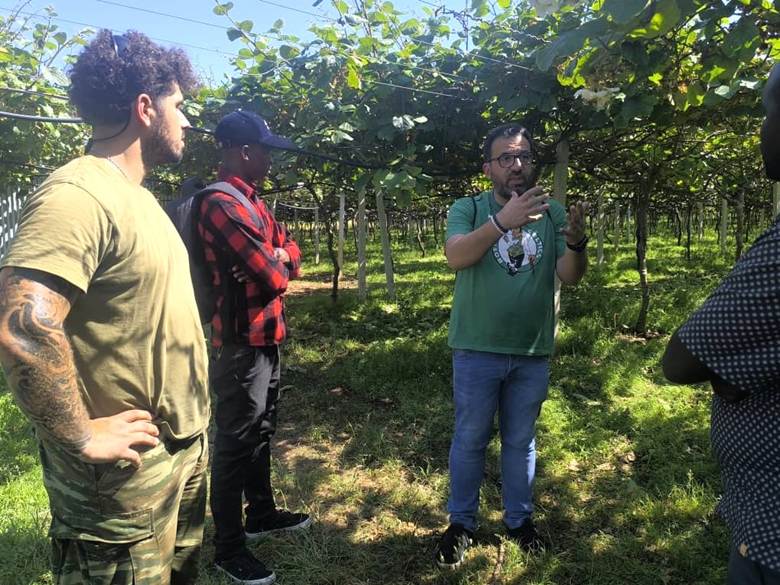
The CSA CoVE Hubs Project also reinforces Tanzania's commitment to transforming vocational education into a catalyst for economic growth and sustainable agriculture. By promoting Centres of Vocational Excellence, the project creates opportunities for innovation, research, entrepreneurship, and stronger linkages between education and industry, ensuring that training remains relevant to the needs of employers and communities
As Tanzania continues to strengthen climate resilience in its agricultural sector, international partnerships remain critical to building institutional capacity and developing a skilled workforce. Through its participation in the CSA CoVE Hubs Project, NACTVET is bringing home global best practices that will enhance the quality and relevance of agricultural TVET, strengthen institutional collaboration, and contribute to a more productive, innovative, and climate-resilient agricultural sector for the benefit of present and future generations.


Funded by the European Union. Views and opinions expressed are however those of the author(s) only and do not necessarily reflect those of the European Union or the European Education and Culture Executive Agency (EACEA). Neither the European Union nor EACEA can be held responsible for them.
The National Council for Technical and Vocational Education and Training (NACTVET)